Movement: The Secret to Showing Up Stronger Tomorrow
By Roy Eiermann
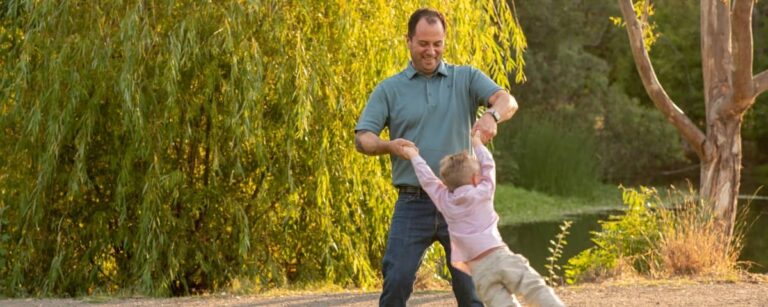
Our bodies were built for movement. One of the key ways we can be at our best for ourselves and our families is to make sure we are getting some of that movement in every day. You’ll notice I didn’t say ‘exercise.’ That was intentional! Is exercise good for you? Yes. Of course. But for many people, it’s a word that can bring up a multitude of feelings. And here’s the deal…to improve how we show up for our families, it doesn’t take a strict exercise routine or plan. But what if we incorporated just a little more movement into our days?
There are areas around the world called blue zones. These are areas in the world where there is the highest concentration of centenarians living. What’s a centenarian? Simply put, someone who has reached, and passed, the age of 100. Researchers are naturally interested in figuring out why there are such high concentrations of centenarians in these blue zones. Among a few different factors, one thing the blue zone residents have in common is natural, daily, mild to moderate movement. For example, some of these blue zones are in areas with few motorized vehicles. It is a part of the culture to walk everywhere. In some blue zones, it is natural for the people to walk up and down numerous flights of stairs or walk up and down significant hills numerous times a day.
This natural movement done throughout the course of the day isn’t considered their workout or exercise routine. Instead, it’s just a part of life. And researchers found that this kind of daily movement contributes to longer life spans.
Movement can decrease cortisol levels. Cortisol is the hormone that gets released when we feel stress. Our bodies weren’t built to withstand constant cortisol levels, so getting out and moving helps regulate this hormone response.
Lower stress levels help us stay calm, present, and emotionally regulated, especially when parenting kids who come from trauma, chaos, or loss. These are the moments that require our deepest patience and stability. Patience, playfulness, joy, and exuberance are more abundant when we experience less stress. These are key elements to help support our kiddos when they need it most.
So, hopefully I’ve made the argument that movement (and not exercise) helps us be better parents. The next question is…where do we start?
Just like in previous blogs, I suggest we start small. I also believe it is key to build in a routine that can be followed most days of the week. So I’m about to suggest something that may sound really silly. Remember, this is about starting and building a routine. So what does this look like in real life for an exhausted foster or adoptive parent who’s short on time and capacity? Start with a daily walk to the end of your driveway and back! Don’t have a driveway? Walk out your front door and take 20 steps. Turn around and go back.
Really? Yes, really! Will 20 steps outside your front door magically change everything? Nope. But in time, it just might. This is about setting a goal that is so easy, it would be difficult not to be successful at it! Even after an incredibly difficult and tiring day, could you convince yourself to walk 20 steps outside your door before bed? I’m going to guess probably. And if the answer is no, start with 10 steps! We’re starting here to build a routine, something we can do day in and day out. Maybe after a week, add a bit more to it. If you slowly add to the distance, before you know it, you’ll be down the block. Soon after that? Maybe walking two blocks a day. The point is to start! Start small, and be consistent. Let’s see where this takes you.
Movement doesn’t have to mean miles logged or gym memberships. A few steps today, a bit more tomorrow and it all adds up. Each time you choose to move your body, you’re also making a choice to show up more fully for your kids. You’re investing in the version of yourself that’s just a little calmer, a little more resilient, and a lot more present. Your kids don’t need a perfect parent, but they need a parent who keeps going. So throw on those shoes, open the door, and take that first small step. For you. For them.
Expert Author Biography: Roy Eiermann is a licensed clinical professional counselor in the state of Illinois and clinical director at OMNI Youth Services. He specializes in child and adolescent therapy, trauma-informed treatment, and substance abuse services. He can be reached through his website: https://meetmonarch.com/therapist/roy-eiermann-lcpc-hoffman-estates-il